
Why Important What to look for When to look How to fix The construction — two skins of stonework with a rubble core — makes it impracticable, if not impossible, to insert a traditional felt or lead dpc into external walls. There are proprietary methods that claim to alleviate rising damp either by; Chemical injection …
Category: Heritage Guide
The Heritage Homes Guide
Identifying your Roofing Material
Welsh Slate (18th & 19th Century) Scottish Slate (18th & 19th Century) Lead Sheet (19th Century) Zinc Sheet (20th Century) Clay Pantile (20th Century) [Not Period Houses] Flat Bitumen (20th Century) [Not Period Houses]
How to Repaint Woodwork
Why Important What to look for When to look How to fix All bare or new wood must be knotted, primed and filled before applying one coat of undercoat and one coat of gloss. You normally need to allow overnight drying between coats. It can be a good idea to give window cills and other …
How to Paint External Doors
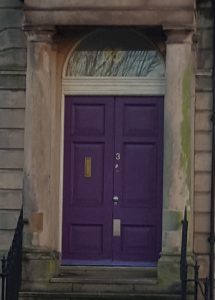
Why Important What to look for These were usually painted a dark strong colour. For Hamilton Square the colour is [Black. Find BS standard] Whilst a full gloss finish is normal, lower sheen finishes can also be acceptable and look well with the correct brass door furniture. When to look The condition of the front …
How to fix any roof
Introduction There are three primary roofing techniques. In general, the methods should not be mixed on the same building. If you have a building with mixed methods where a large section needs repair. It should be repaired using the same techniques as used on similar buildings in the surrounding area. The issues relating to each …
Historic Homes Guide

The purpose of this guide is to help owners, agents, property managers and other professionals who are concerned with the external and internal redecoration and maintenance of properties within conservation areas. Currently, this Guide concentrates on Birkenhead’s distinctive Georgian Quarter (around Hamilton Square). We owe a debt of gratitude to the Edinburgh Conservation Project upon …
Grates
Why Important What to look for Dog-grates A dog-grate is basically a free-standing fire-basket with vestigial andirons as legs, standing in the hearth against a plain cast-iron fireback. Dog-grates were manufactured in wrought iron, cast iron or bright steel, sometimes with brass or bronze frets and mouldings. Hob-Grates These stretched right across the fireplace opening, …